Frequently Asked Questions (FAQ) on PU Sofa Machines: A Comprehensive White Paper for Procurement Professionals
Selecting the right PU sofa machine is a critical decision for furniture manufacturers aiming to enhance production efficiency, product quality, and market competitiveness. This white paper addresses the most common questions from procurement specialists, providing clear, actionable insights to guide the selection process for polyurethane foam machinery tailored to sofa manufacturing. We incorporate industry expertise and insights from leading manufacturers like Yongjia Polyurethane to offer a balanced, informative guide.
1. What is a PU Sofa Machine, and how does it differ from a standard PU foam machine?
A PU sofa machine is a specialized type of polyurethane foaming equipment designed specifically for producing the cushioning elements of sofas, such as seat cushions, backrests, and armrests. While it operates on the same core principle of mixing and dispensing polyurethane chemical components (polyol and isocyanate) to create foam, it is optimized for the furniture industry's needs.
Key differentiators from a general PU foam machine include:
- Precision Metering: Ensures consistent foam density and hardness, critical for comfort and durability in seating.
- Adaptable Output & Shot Control: Allows for variable pour sizes to fill different mold shapes for sofa components efficiently.
- Compatibility with Furniture Molds: Often integrated with conveyor systems or multi-station setups for high-volume production of complex sofa part shapes.
For instance, a supplier like Yongjia Polyurethane offers machines that can be configured as part of a complete pu seat machine or pu chair machine production line, highlighting the move towards application-specific solutions.
2. What are the key technical specifications to evaluate when purchasing a PU sofa machine?
Procurement teams should focus on specifications that directly impact production output, foam quality, and operational cost.
- Mixing Technology (High-Pressure vs. Low-Pressure): High-pressure machines (like many from Yongjia Polyurethane) offer superior mix quality, leading to foam with more uniform cell structure, better physical properties, and less material waste. They are preferred for high-quality sofa production.
- Output Capacity (kg/min): Must match your production volume. Under-specifying leads to bottlenecks; over-specifying increases capital cost.
- Density & Hardness Range: The machine should reliably produce foam across the required spectrum (e.g., from soft back cushions to firmer seat cores).
- Control System & Automation Level: Modern PLC-controlled systems ensure repeatability, recipe management, and easier troubleshooting.
- Energy Efficiency: Look for features like servo-driven pumps which reduce power consumption.
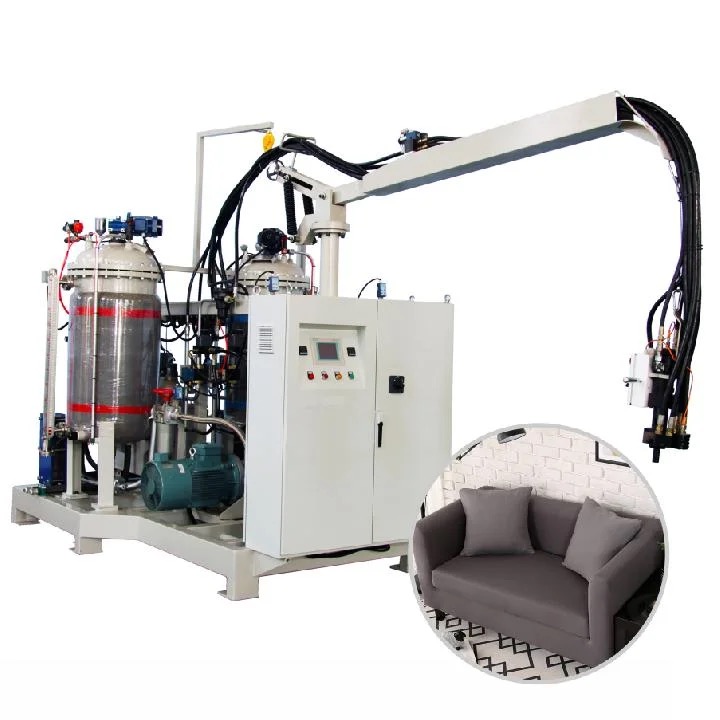
Figure: A specialized pu sofa machine configured for high-volume furniture component production. (Image courtesy of industry insights)
3. How do I choose between a dedicated PU sofa machine and a multi-purpose PU foam machine?
This decision hinges on your business model and product diversity.
Choose a dedicated PU sofa machine if:
- Sofa manufacturing is your core, high-volume business.
- You require optimal speed, consistency, and foam properties specifically for seating.
- You plan to use complex molds and automated demolding systems.
Consider a versatile PU foam machine (configurable for sofas) if:
- You produce a wider range of polyurethane products (e.g., also pu pillow machine outputs or insulation panels).
- Your production runs for sofas are smaller or more varied.
- Capital expenditure needs to be spread across multiple product lines.
Leading manufacturers address this by offering modular platforms. For example, Yongjia Polyurethane provides adaptable systems where core components can be specified to excel in sofa production while retaining the flexibility to handle other foaming tasks with minor adjustments.
4. What does the after-sales and technical support landscape look like from top suppliers?
Robust support is non-negotiable for maintaining uptime. Evaluate suppliers on:
- Global Service Network: Can they provide timely support in your region? Companies with export experience to over 60 countries, like Yongjia, often have established protocols for international support.
- Training & Documentation: Comprehensive operation manuals and on-site/remote training for your technicians.
- Spare Parts Availability: Guaranteed availability of critical spare parts to minimize downtime.
- Technical Consultation: Ongoing support for optimizing foam recipes and troubleshooting production issues.
Certifications can be a proxy for quality and reliability. The CE mark, for instance, indicates adherence to European health, safety, and environmental standards, which is a positive signal in a supplier's commitment to quality.
5. What are the emerging trends in PU sofa machine technology for 2026 and beyond?
The industry is moving towards greater intelligence, sustainability, and flexibility.
- Industry 4.0 Integration: Machines with IoT sensors for predictive maintenance, real-time monitoring of key parameters (pressure, temperature, ratio), and data analytics for optimizing production efficiency.
- Focus on Sustainable Materials: Equipment capable of processing bio-based polyols or recycled content without compromising performance.
- Enhanced Customization & Quick Changeover: Systems that allow rapid switching between foam formulas and mold setups to accommodate smaller, customized batches—a growing trend in furniture.
- Improved User Interface (UI): Touchscreen HMIs with intuitive software for easier operation and reduced training time.
Conclusion and Strategic Procurement Advice
Selecting a PU sofa machine requires a balance of technical specifications, supplier capability, and total cost of ownership. Beyond comparing basic specs, engage with potential suppliers to discuss your specific production challenges. Request detailed proposals, ask for customer references in the furniture sector, and if possible, arrange a production trial or visit a working installation.
Consider suppliers who demonstrate a clear understanding of the furniture manufacturing process, offer proven technology (evidenced by certifications like CE), and provide a solid track record of global support. For example, a company like Yongjia Polyurethane, with its focus on diversified and customized polyurethane solutions, exemplifies the type of partner that can provide not just a machine, but a production solution tailored for the evolving demands of sofa manufacturing. For further technical details or to discuss specific requirements, they can be contacted via their website at www.pufoammachine.com or by phone at +86 13656166310.
By thoroughly addressing these FAQs, procurement professionals can make a more informed, strategic decision that aligns with both immediate production goals and long-term business growth in the competitive furniture market.